
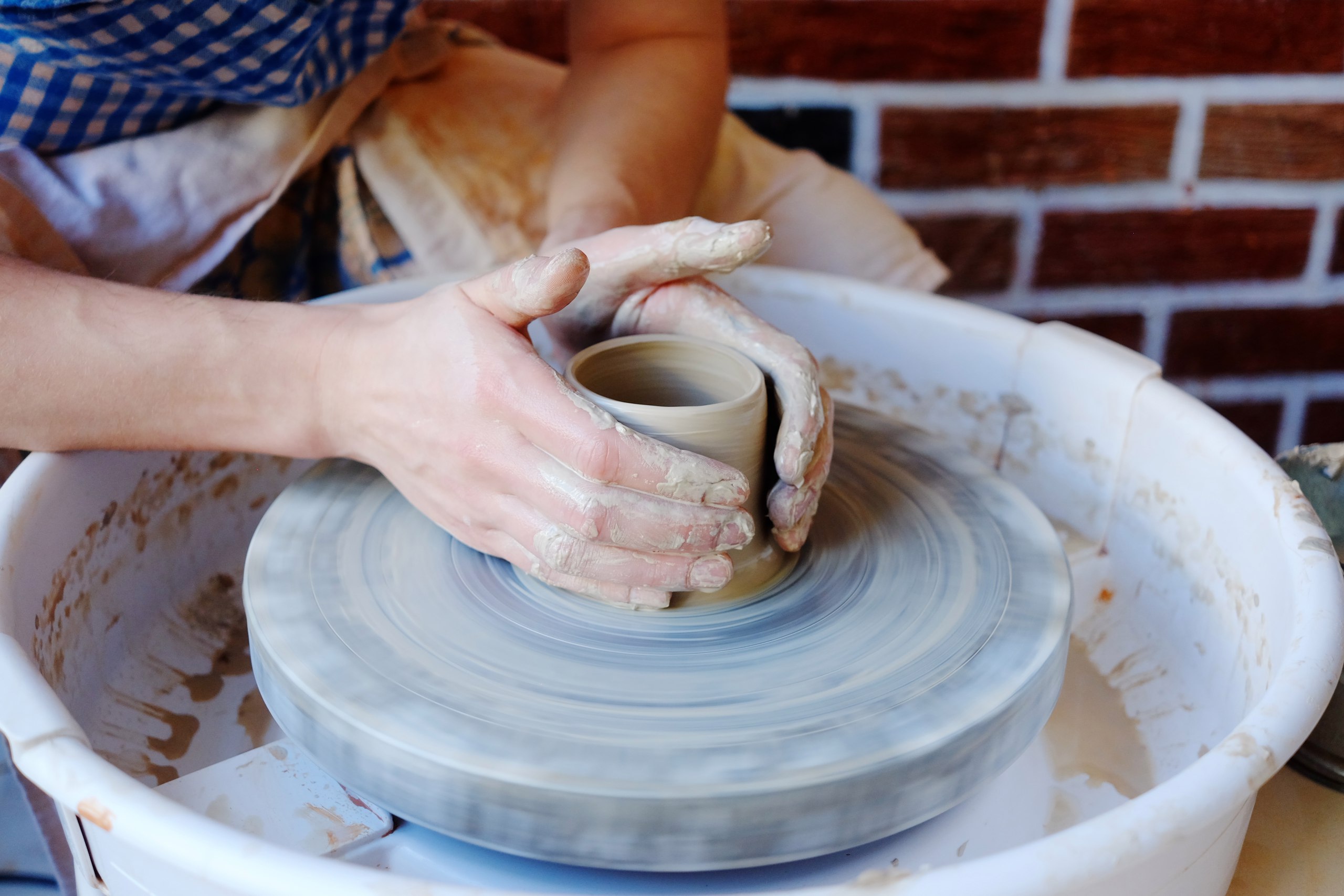
Trying a new creative hobby can be an exciting way to spend your free time, especially when it allows you to make something with your own hands. Pottery is a wonderful choice for anyone who enjoys practical activities, artistic expression, and learning new skills. In Austin, Texas, pottery workshops offer opportunities to explore ceramics in a friendly environment, even if you have never touched clay before.
If you are interested in pottery making for beginners Austin offers an inviting starting point for discovering the basics of this timeless craft. A beginner-friendly pottery session introduces you to clay, essential tools, and simple shaping techniques while giving you room to experiment. Whether you hope to create a small bowl, a decorative dish, or a handmade mug, your first project can be an enjoyable introduction to the creative possibilities of pottery.
Choose a Simple Project for Your First Session
When starting pottery, it is best to choose a project that matches your experience level. Complicated designs may look impressive, but simple shapes are often easier to manage and allow you to focus on learning essential techniques.
A small pinch bowl is a popular beginner project because it requires minimal equipment and helps you understand how clay responds to pressure. You can also try making a small dish or a simple decorative object using hand-building methods.
Before beginning, think about what you would enjoy creating. Having a basic idea can help you stay focused without limiting your creativity. Remember that your first piece does not need to look perfect. The goal is to learn, experiment, and enjoy the process.
Get Comfortable With Clay and Pottery Tools
Your first pottery class will usually introduce you to the clay and tools needed for the activity. An instructor may explain how to prepare the material, maintain the right moisture level, and prevent common problems while shaping your project.
Basic tools can include sponges, wooden shaping tools, cutting wires, and small trimming instruments. Each serves a different purpose, from smoothing surfaces to refining edges.
As a beginner, take time to understand how the clay feels in your hands. Applying too much pressure or allowing the material to become too dry can affect the final shape. With a little guidance and practice, you will begin to understand how small adjustments influence your work.
Learn the Basics of Hand-Building
Hand-building is one of the easiest ways to begin making pottery because it does not require a pottery wheel. It allows you to shape clay directly with your hands and simple tools.
The pinching technique involves pressing your fingers into a ball of clay and gradually forming a hollow shape. Coiling uses long rolls of clay that are joined together to create taller vessels. Slab building involves flattening clay into sheets to make objects with more defined edges.
For your first project, choose one technique and concentrate on understanding the basic movements. An instructor can demonstrate how to build an even shape, connect clay pieces securely, and smooth the surface. These skills provide a useful foundation for more advanced projects later.
Add Personal Details to Your Creation
Once you have formed the basic shape, you can explore simple ways to make your pottery unique. Pressing patterns into the clay, creating subtle textures, or carving small decorative lines can add character without making the project too complicated.
Glazing offers another opportunity for personal expression. Different colors and finishes can transform a plain ceramic object into something distinctive. Depending on the class, glazing may take place during a later visit after your piece has dried and undergone its first firing.
Ask your instructor how the finishing process works and when your creation will be ready to collect. Ceramic pieces generally need proper drying and kiln firing before they are finished.
Make Your First Pottery Experience Enjoyable
Learning pottery takes patience, but the process can be just as rewarding as the finished piece. You may encounter uneven edges or shapes that change unexpectedly, yet these moments help you understand the material and improve your technique.
Choose a beginner-friendly workshop in Austin, wear comfortable clothing that you do not mind getting messy, and arrive ready to learn. Most importantly, avoid comparing your first project with the work of experienced artists.
Your first pottery project is an opportunity to explore your creativity, develop a new skill, and enjoy making something by hand. With practice and curiosity, a simple introduction to clay may become the beginning of a fulfilling hobby.
#PotteryWheel #HandBuilding