
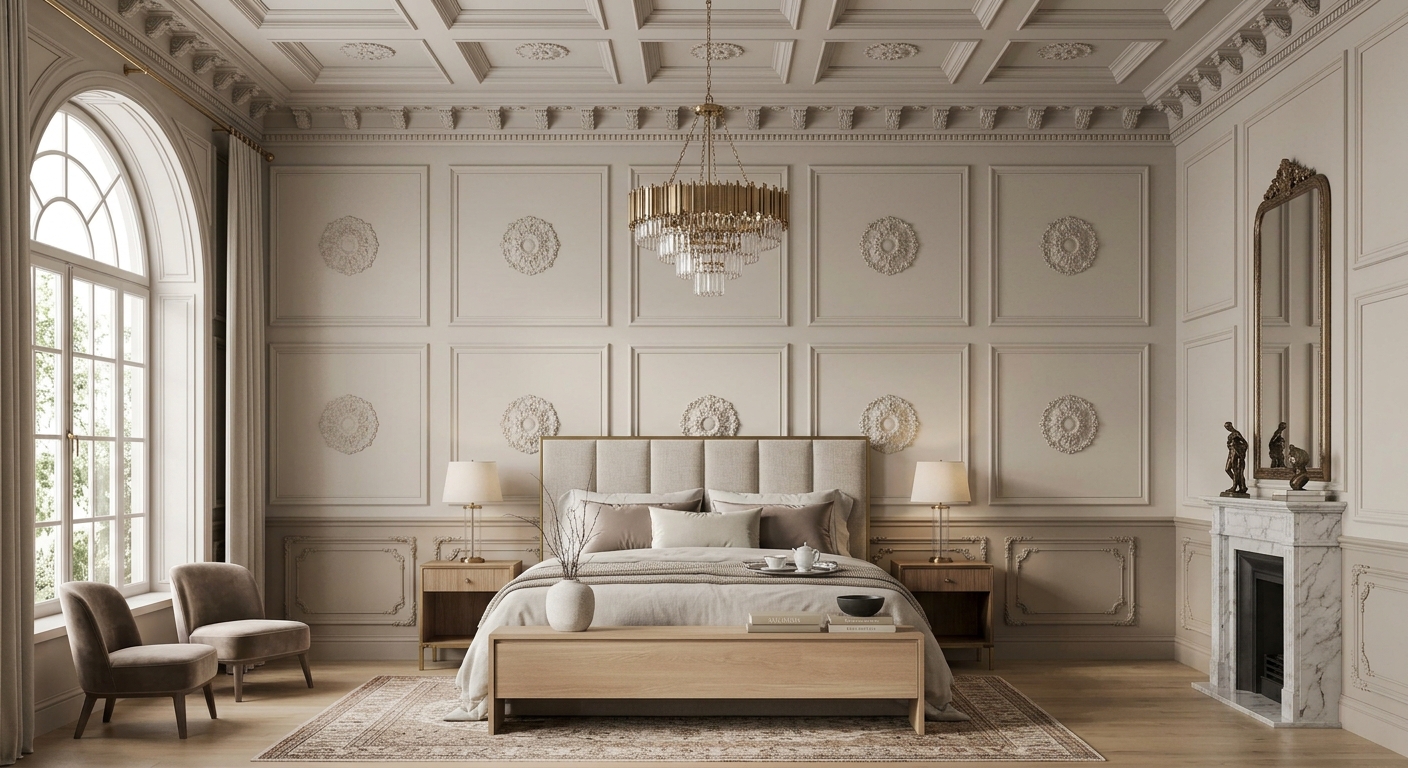
Creating an elegant interior does not always require expensive furniture, major renovations, or a complete change of color. Sometimes, small architectural details can make the biggest difference. Decorative trim adds depth, structure, and sophistication to plain walls, ceilings, doors, and other interior features. With thoughtful placement and a coordinated design, even a simple room can feel more polished, welcoming, and visually appealing.
One versatile option for interior upgrades is polyurethane molding, which can be used to create decorative wall panels, refined ceiling borders, and attractive architectural accents. Its lightweight construction makes it convenient to handle during installation, while the variety of available profiles allows homeowners to explore different styles. Whether the goal is a classic European-inspired interior or a clean, contemporary atmosphere, decorative trim can help bring the entire room together.
Create Elegant Wall Panels
Wall panel molding is an excellent choice for homeowners who want to add character without covering the entire wall with decorative materials. Rectangular frames can create a balanced, symmetrical appearance in living rooms, dining areas, bedrooms, and hallways.
For a traditional interior, consider larger panels with generous spacing and subtle decorative details. In modern spaces, narrow molding profiles arranged in simple geometric patterns can provide visual interest without making the walls feel busy.
Painting the molding the same color as the wall creates a subtle, sophisticated effect. Alternatively, using a contrasting shade can highlight the panel design and make it a stronger feature of the room.
Upgrade Ceilings with Decorative Trim
Ceilings often receive less attention than walls, even though they offer excellent opportunities for decorative improvements. Ceiling molding can create a smooth transition between walls and ceilings, making a room appear more complete.
Crown molding is particularly effective in living rooms, dining rooms, and bedrooms. Simple profiles complement minimalist interiors, while more elaborate designs suit traditional spaces with decorative furniture and classic lighting.
For an especially refined look, combine ceiling molding with a carefully selected light fixture or chandelier. The trim helps frame the upper part of the room and can make the lighting arrangement feel more intentional.
Enhance Doors and Windows
Decorative trim around doors and windows can make ordinary architectural features look more distinctive. A carefully planned frame adds definition and creates a consistent appearance throughout the home.
For example, matching the trim around interior doors with the molding used on nearby walls creates a coordinated design. Window surrounds can also become attractive features when their proportions complement the size of the opening.
In smaller rooms, relatively narrow profiles are often a practical choice because they provide definition without overwhelming the space. Larger rooms may accommodate wider decorative elements that create a stronger visual statement.
Make Bedrooms Feel More Luxurious
A bedroom can benefit significantly from a decorative feature wall behind the bed. Molding arranged into large rectangular panels creates an elegant backdrop without requiring complicated construction.
For a calm and sophisticated atmosphere, choose soft neutral shades such as warm white, beige, light gray, or muted cream. Pair the wall treatment with coordinated bedding, understated lighting, and simple bedside furniture.
Another option is to extend the decorative design across the entire wall rather than focusing only on the headboard area. This approach can make the room feel more unified, particularly when the panel proportions are carefully planned.
Choose Colors and Finishes Carefully
The final appearance of decorative trim depends on more than its shape. Color, finish, lighting, and surrounding materials all influence the result.
White molding remains a popular option because it works with many wall colors and interior styles. Matching the trim to the wall creates a more understated appearance, while a contrasting finish helps emphasize architectural details.
Before painting, check the manufacturer's recommendations for surface preparation and compatible coatings. Proper preparation and careful finishing help achieve a smooth, consistent result.
Plan Before Installation
Successful room makeovers begin with accurate measurements and a clear design plan. Consider the room's dimensions, ceiling height, furniture arrangement, and existing architectural features before selecting molding profiles.
Mark the intended layout with painter's tape to evaluate the proportions before installation. This simple step helps identify awkward spacing and allows adjustments before any material is cut.
Conclusion
Decorative trim offers a practical way to refresh an interior and introduce lasting visual appeal. From elegant wall panels and ceiling borders to refined door surrounds and bedroom feature walls, the right design can transform an ordinary room into a more sophisticated space. By choosing suitable profiles, coordinating colors, and planning each detail carefully, homeowners can achieve an elegant makeover that reflects their personal style without requiring a complete renovation.
#NeoclassicalInterior #WallMolding