
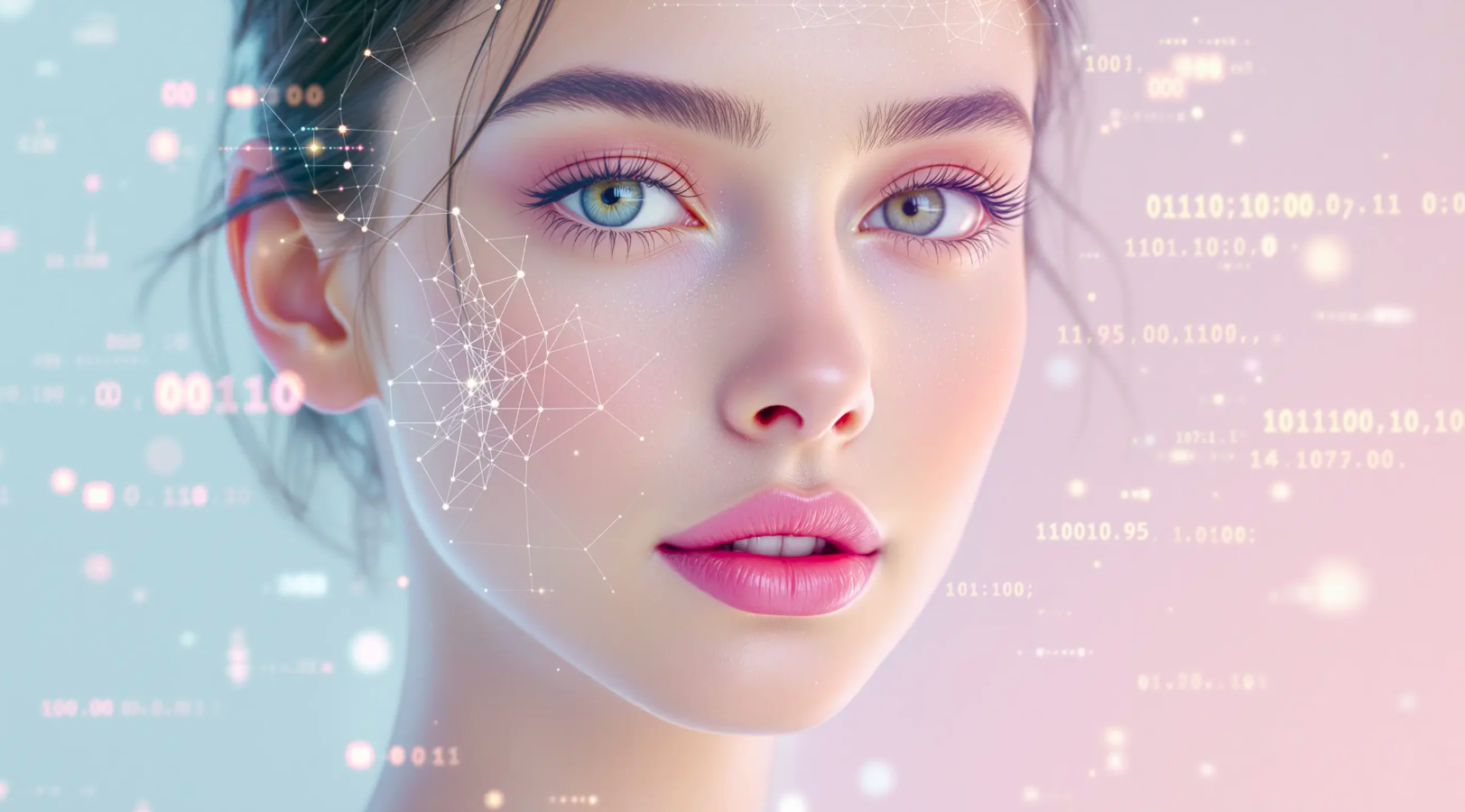
Artificial intelligence has transformed digital media in many ways, and one of the most talked-about innovations is DeepFake technology. From entertainment to personal content creation, it is changing how people generate and edit images and videos in a controlled and private environment.
What is DeepFake technology?
DeepFake is an AI-based system that uses deep learning to manipulate or generate realistic visual and audio content. It can map facial expressions, adjust features, and create highly realistic digital media that looks authentic.
In adult-focused creative spaces, this technology is often discussed in terms of private, consent-based content generation, where users explore digital personalization while maintaining control over their data and privacy.
How does DeepFake AI work?
At its core, DeepFake uses neural networks trained on large datasets of images and videos. The system learns facial structures, expressions, and movement patterns. Once trained, it can recreate or modify visuals in a highly realistic way.
For example, users can apply transformations to video or image content while maintaining natural expressions and lighting consistency. The goal is realism combined with flexibility.
Why is privacy important in DeepFake usage?
One of the most important aspects of DeepFake technology is privacy. Since AI-generated media can closely resemble real people, responsible platforms emphasize secure processing and user-controlled data storage.
Users often ask:
Is DeepFake safe for private use?
Yes, when used on secure platforms that do not store or share personal content without consent. Safety depends on encryption, data handling policies, and ethical usage guidelines.
Can DeepFake content be misused?
Unfortunately, yes. Like any powerful technology, misuse is possible. That is why ethical platforms and strict consent rules are essential.
What are ethical considerations?
DeepFake technology raises important ethical questions. Consent is the most critical factor. Any use of a person’s likeness should be authorized, and platforms should ensure users understand how their content is processed.
Responsible usage includes:
- Avoiding unauthorized use of real individuals’ identities
- Respecting privacy and data protection rules
- Using AI tools for personal, artistic, or entertainment purposes only
Where is DeepFake technology heading?
AI-driven media tools are rapidly improving. Future DeepFake systems are expected to become even more realistic while also including stronger safeguards against misuse.
Developers are focusing on watermarking AI-generated content, improving detection systems, and enhancing user privacy protections.
Frequently Asked Questions
Is DeepFake only used for entertainment?
No, it is also used in film production, gaming, education, and digital art creation.
Do I need technical skills to use DeepFake tools?
Most modern platforms are designed for beginners, offering simple interfaces without requiring programming knowledge.
Can DeepFake replace real photography or video?
Not completely. It is a complementary tool that enhances creativity but does not replace real-world capture.
Conclusion
DeepFake technology represents a major shift in how digital content is created and customized. While it offers powerful creative possibilities, it also demands responsible and ethical use. For adults exploring AI-driven content creation, the key is balancing innovation with privacy, consent, and security. Smart Face Swap Tools: AI Face Swap for Private DeepFake Nude Image Creation.
#DeepNudeInnovation #AItools